
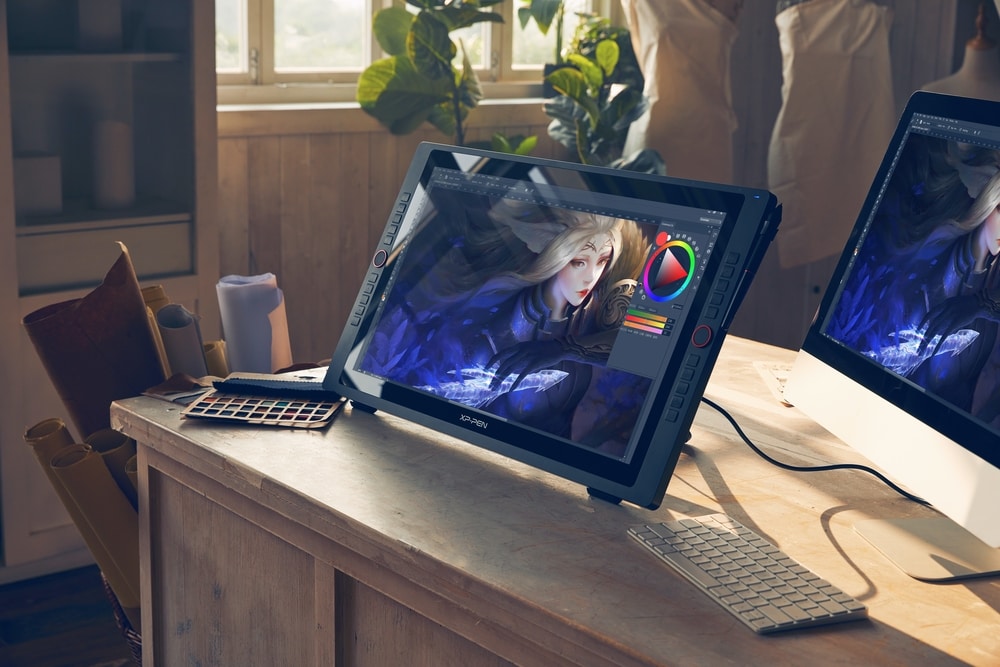
This post contains affiliate links. If you buy through them, we may earn a small commission at no extra cost to you. As an Amazon Associate I earn from qualifying purchases.
TLDR
Quick verdict
The best tablet for animation in 2026 is the Wacom Cintiq Pro 17: its 17.3 inch 4K screen fits a canvas and a timeline side by side, and the 120Hz refresh rate keeps frame flipping and onion skin scrubbing smooth. For 3D animation, pick the screenless Wacom Intuos Pro; on a budget, the XPPen Artist Pro 16 Gen 2; to animate without a computer, the iPad Pro 13 inch M5.
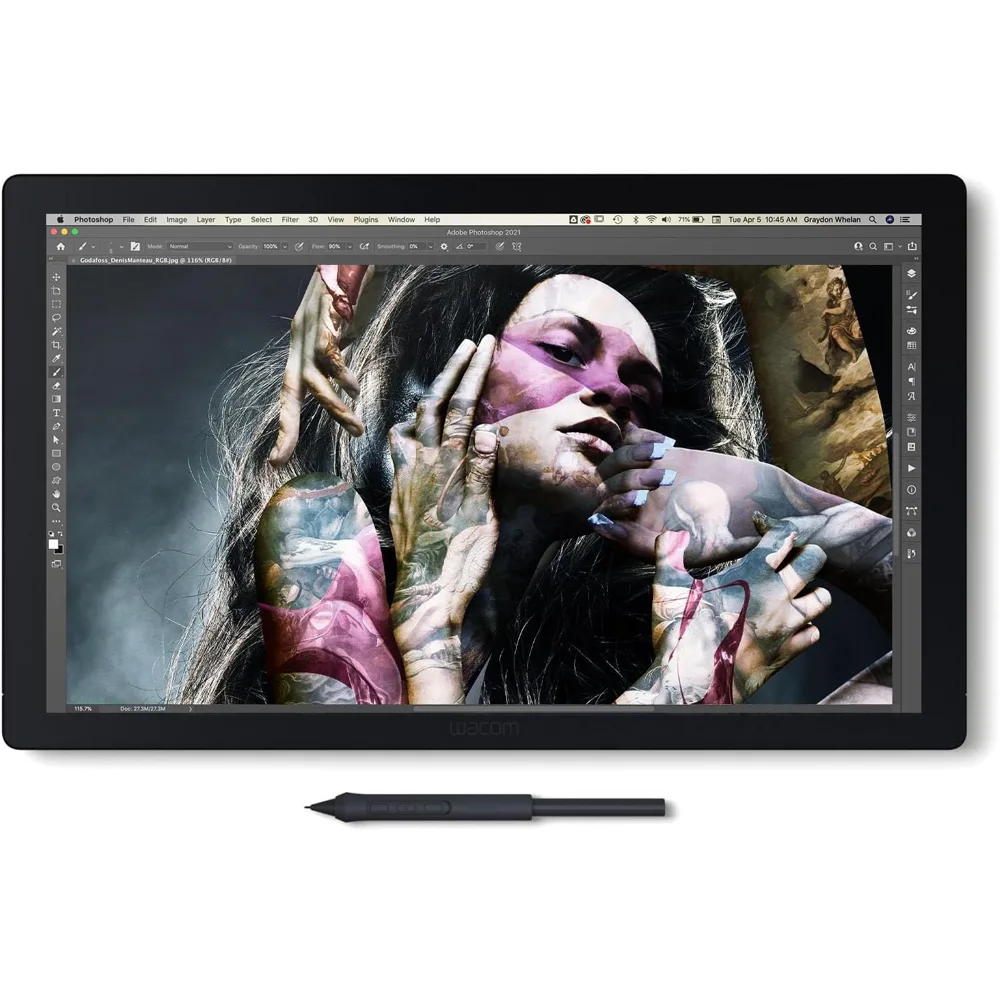 Best overall Wacom Cintiq Pro 17 120Hz 4K pen display that works with every major desktop animation app. Skip it if you are a student on a tight budget.
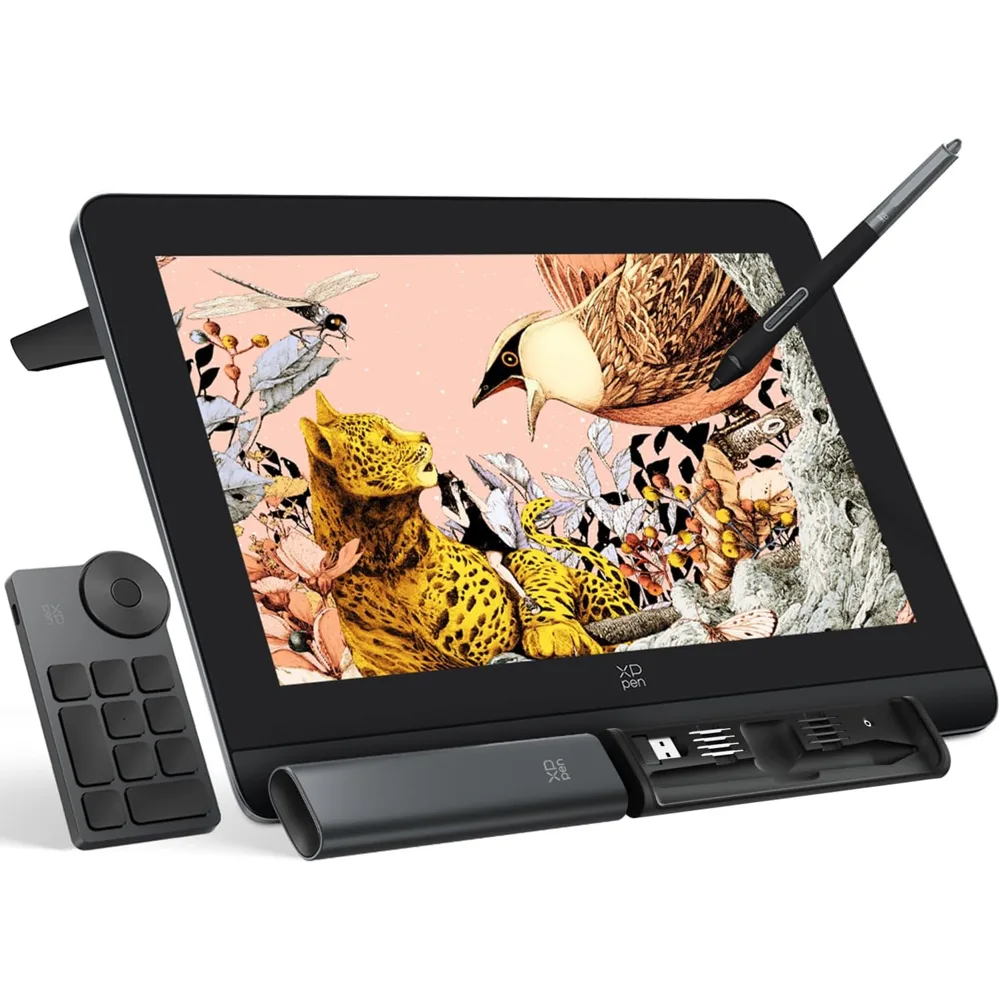 Best value 2D XPPen Artist Pro 16 Gen 2 16 inch laminated screen and a shortcut keydial for far less. 60Hz and less polished drivers.
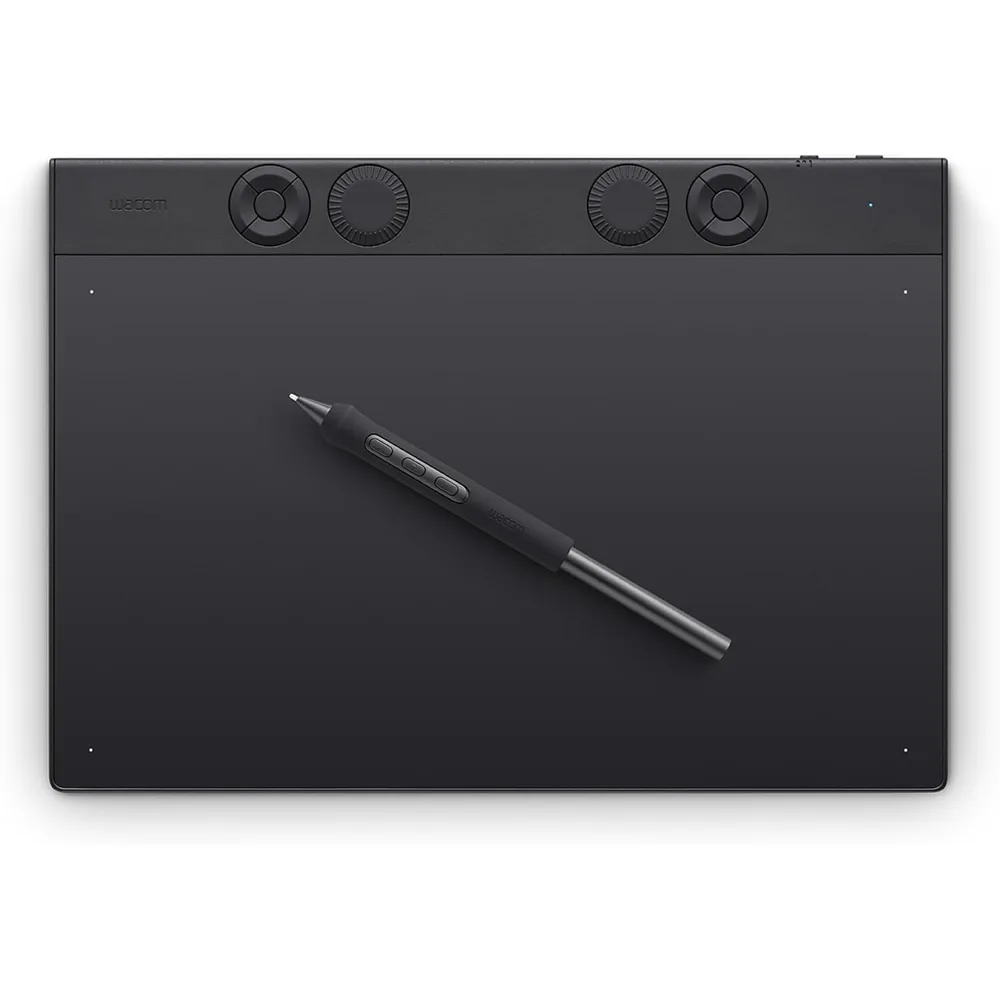 Best for 3D Wacom Intuos Pro (2025) Screenless, so you sculpt and pose in Blender or Maya with your monitor at eye level. Takes a week or two to get used to.
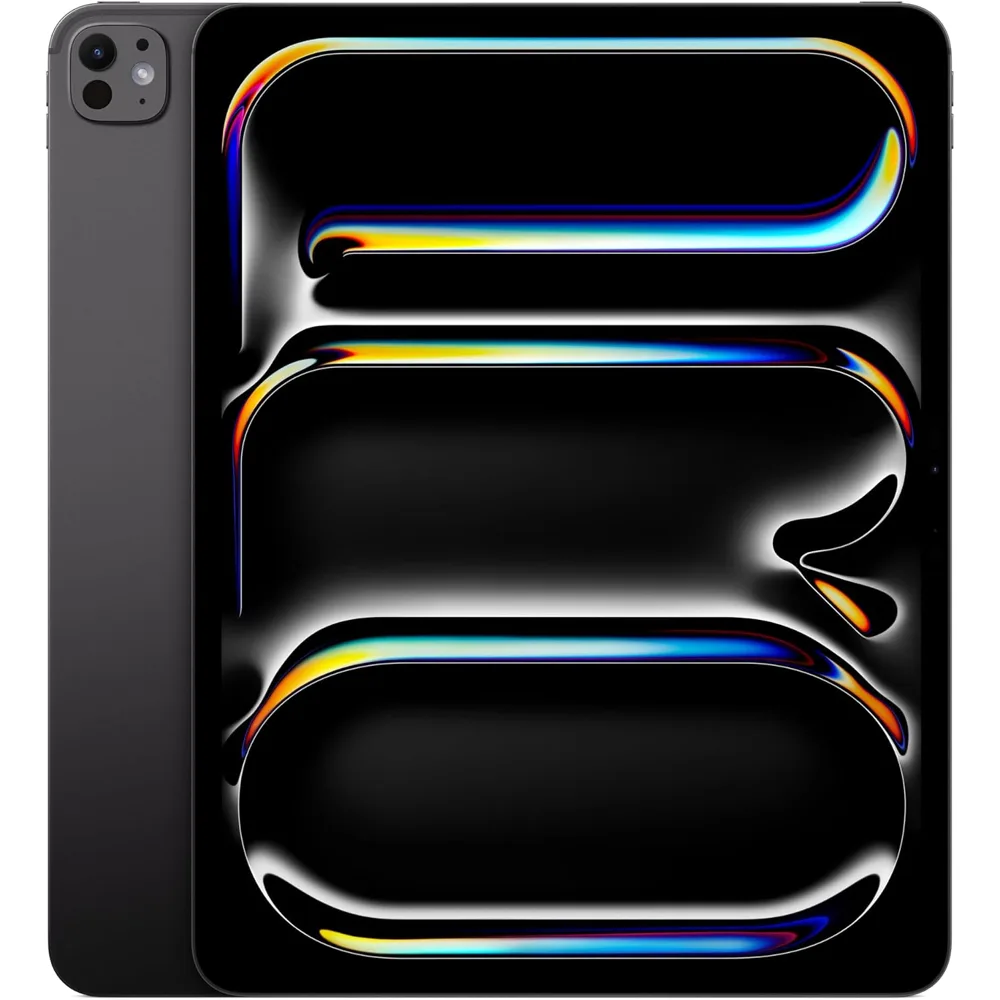 Best without a computer iPad Pro 13 inch (M5) Smoothest standalone option for Procreate Dreams and Callipeg. Cannot run desktop Toon Boom or TVPaint.
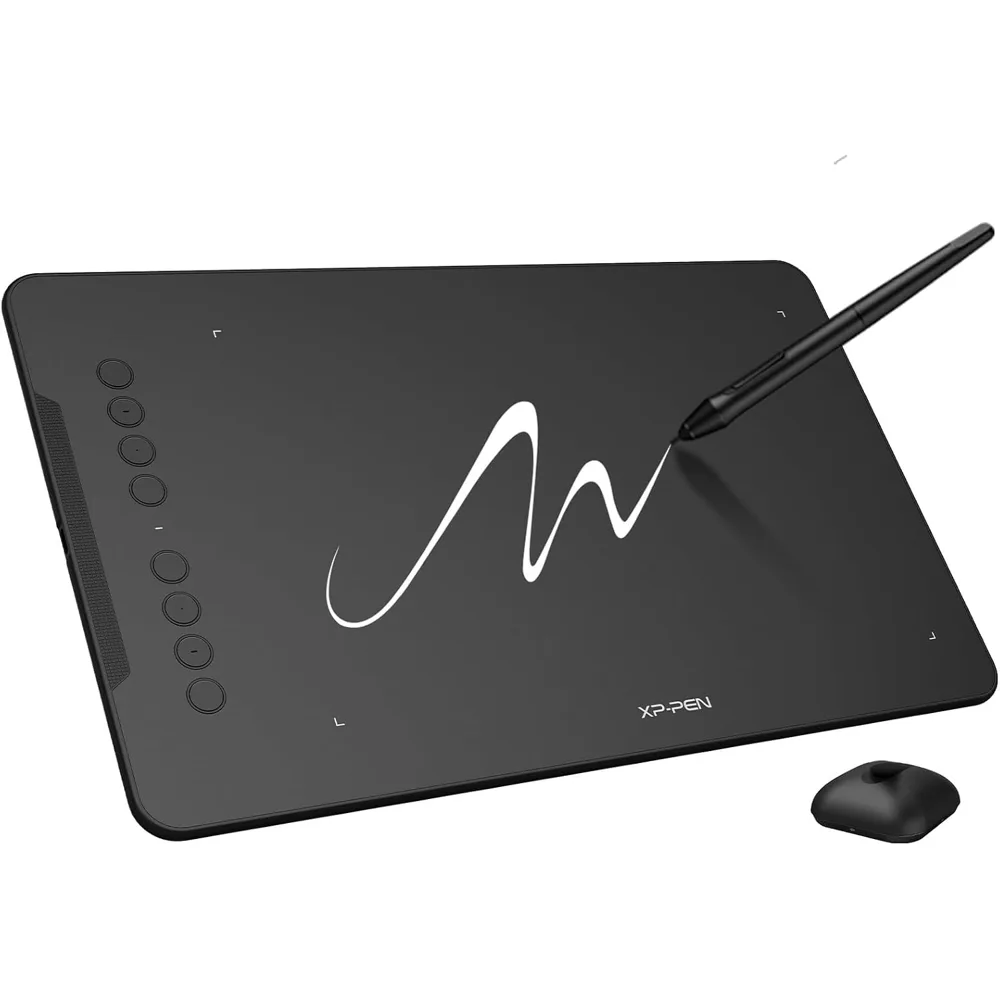 Best for beginners XPPen Deco 01 V3 Cheap, full-size screenless tablet to learn on before spending more.
How we picked
- Only current models still sold in 2026, cross-checked against the tablets top-ranking animation guides recommend
- Usable drawing space once the timeline and panels are open, and screen refresh rate for frame flipping
- Which animation software runs on it, shortcut keys for frame and onion skin actions, and published manufacturer specs
Best for: students and working 2D or 3D animators choosing between a pen display, a pen tablet and a standalone tablet.
About this update: in November 2026 we replaced the older models in this guide with current ones. We have not tested the new models hands-on; picks are based on manufacturer specifications, what each tablet means for animation work, and how widely other reviewers recommend them.
Best Animation Tablet for Beginners
The best animation tablet for beginners is the XPPen Deco 01 V3. It is cheap, big enough to keep, and works with free animation software like Krita, OpenToonz and Blender. If you want to draw on screen from day one, the Huion Kamvas 13 (Gen 3) is the most affordable current pen display, and the Wacom MovinkPad 11 is the cheapest way to animate without a computer.
Best Tablet for Artists
If you illustrate as much as you animate, the XPPen Artist Pro 16 Gen 2 is the best all-rounder: a large, colour-accurate laminated screen at a mid-range price. If you mainly sketch and paint away from a desk, the iPad Pro 13 inch (M5) with Procreate is the more flexible choice.
Best Drawing Tablet for Animation
The best drawing tablet for animation is the Wacom Cintiq Pro 17. For 2D animation a pen display beats a screenless tablet because you draw directly on the frame, and the Cintiq Pro 17 adds a 120Hz screen that keeps flipping and scrubbing smooth. If you animate full time in Toon Boom Harmony or TVPaint and have the desk, step up to the 24 inch Xencelabs Pen Display 24. For 3D animation, choose the Wacom Intuos Pro.
Best iPad for Animation
The best iPad for animation is the iPad Pro 13 inch (M5) with the Apple Pencil Pro. The larger screen leaves room for the timeline in Procreate Dreams, Callipeg and Rough Animator, and ProMotion at 120Hz keeps playback smooth. Buy an iPad only if your animation apps run on iPadOS; studio pipelines built on desktop software still need a computer.
Best Drawing Tablets For Animation Comparison Table
The real differences are where you draw, how much room you get and which software runs on it, not pressure levels.
| Tablet | Best for | Type | Drawing space | Runs |
|---|---|---|---|---|
| Wacom Cintiq Pro 17 | Best overall | Pen display, 120Hz | 17.3 in 4K screen | Desktop apps |
| XPPen Artist Pro 16 Gen 2 | Best value 2D | Pen display | 16 in 2.5K screen | Desktop apps |
| Huion Kamvas 13 Gen 3 | Budget pen display | Pen display | 13.3 in screen | Desktop apps |
| Wacom Intuos Pro (2025) | 3D animation | Pen tablet, no screen | Medium 16:9 area | Desktop apps |
| XPPen Deco 01 V3 | Beginners | Pen tablet, no screen | 10 x 6.25 in area | Desktop apps, Android |
| Xencelabs Pen Display 24 | Studios | Pen display | 23.6 in 4K screen | Desktop apps |
| iPad Pro 13 inch (M5) | No computer | Standalone tablet | 13 in OLED, 120Hz | iPad apps |
| Wacom MovinkPad 11 | Budget standalone | Standalone Android | 11.45 in screen | Android apps |
Best Animation Tablets Reviews
Wacom Cintiq Pro 17 Review
- Type
- Pen display
- Screen
- 17.3 in 4K, 120Hz
- Pen
- Pro Pen 3, 8192 levels
- Shortcuts
- 8 ExpressKeys, multi-touch
- Released
- 2023
Our pick for the best tablet for animation. The 120Hz panel matters more for animators than for illustrators: flipping frames, scrubbing the timeline and dragging onion skins all redraw constantly, and a faster screen keeps the pen and the line visually together.
At 17.3 inches it is big enough to keep a canvas and a timeline open together, yet still fits a normal desk. The 4K resolution means interface panels stay sharp at small scaling, which leaves more room for the drawing.
Pros
- 120Hz screen keeps frame flipping and scrubbing smooth
- Pro Pen 3 lets you change grip, weight and button layout
- Works with every major desktop animation app on Windows and macOS
Cons
- Expensive for students
- Needs a capable computer to drive a 4K panel
- The basic stand only gives fixed angles
XPPen Artist Pro 16 (Gen 2) Review
- Type
- Pen display
- Screen
- 16 in 2560 x 1600
- Pen
- X3 Pro, 16,384 levels
- Shortcuts
- Wireless mini keydial
- Released
- 2023
The best value pen display for 2D animation. You get a 16 inch, 16:10 laminated screen at a fraction of the Cintiq price, and the taller aspect ratio leaves a little extra room for a timeline under the canvas.
The included mini keydial is the part animators will use most: map next frame, previous frame, onion skin and undo to it and you rarely need the keyboard.
Pros
- Large, sharp laminated screen for the money
- Wireless keydial for frame and undo shortcuts
- Works with Clip Studio Paint, Krita, OpenToonz and Toon Boom
Cons
- 60Hz screen, not 120Hz
- Driver polish is behind Wacom
- The 16,384 pressure figure makes little practical difference over 8192
Huion Kamvas 13 (Gen 3) Review
- Type
- Pen display
- Screen
- 13.3 in, laminated
- Pen
- PenTech 4.0, 16,384 levels
- Shortcuts
- Dual dials
- Released
- 2024
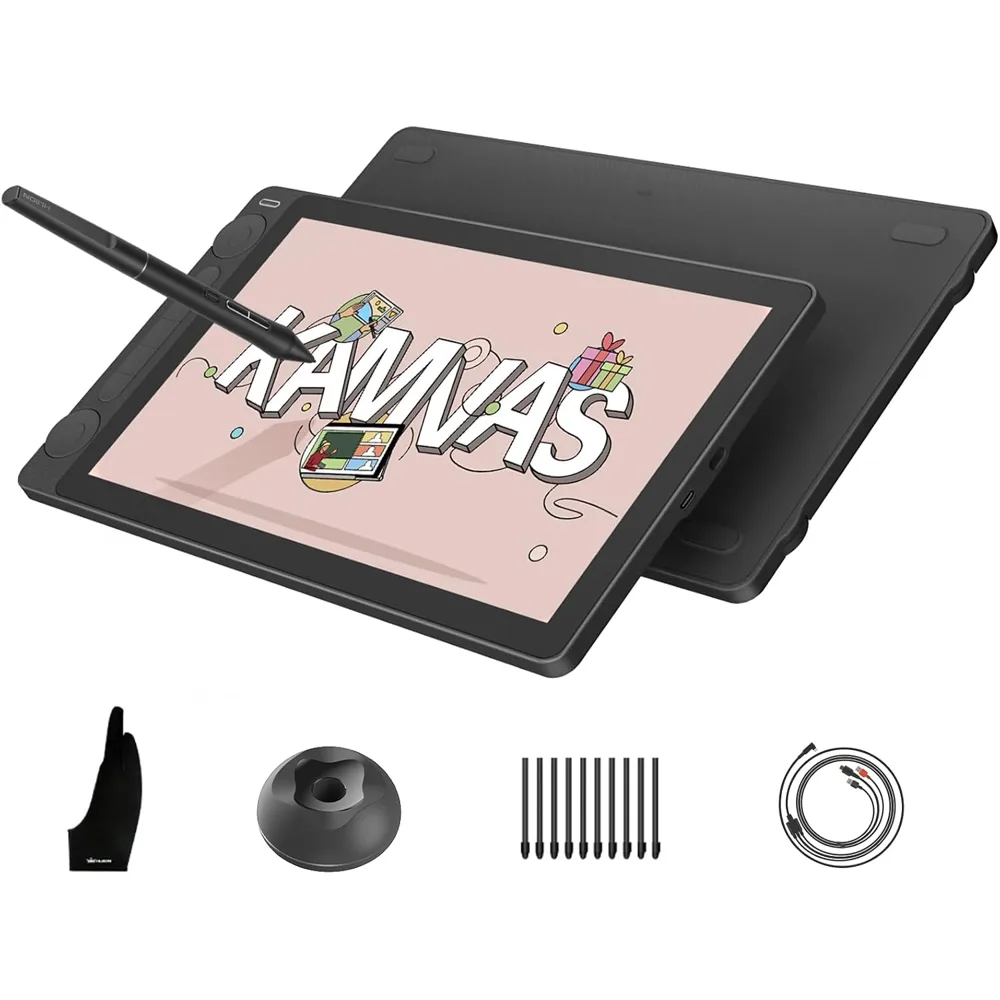
The budget way to draw on screen. It is factory colour calibrated, has an anti-glare etched glass surface and a light 2g activation force, so faint rough sketches register properly.
At 13.3 inches the timeline will crowd the canvas. Plan to keep layers and the timeline on your main monitor and use the Kamvas only for drawing.
Pros
- Most affordable current pen display here
- Etched glass gives a paper-like feel
- Light initial activation for rough animation
Cons
- Small screen once animation panels are open
- Needs a computer
Wacom Intuos Pro (2025) Review
- Type
- Pen tablet, no screen
- Size
- Medium, 16:9 shape
- Pen
- Pro Pen 3, 8192 levels
- Shortcuts
- 10 ExpressKeys, 2 dials
- Released
- 2025
The best tablet for 3D animation, and the best for 2D animators who want to keep looking at a large monitor. Wacom redesigned it in 2025 with the Pro Pen 3, a 16:9 shape that matches wide monitors, and dials moved to the top edge near the keyboard.
In Blender, Maya or Grease Pencil, you spend much of the time rotating, posing and editing curves rather than drawing lines, so a screenless tablet keeps your posture upright and your monitor at eye level.
Pros
- Built for long desk sessions and 3D work
- Bluetooth plus USB, switch between computers
- Ten keys and two dials for shortcuts
Cons
- Drawing while looking at the monitor takes a week or two to learn
- Costs more than budget pen tablets
XPPen Deco 01 V3 Review
- Type
- Pen tablet, no screen
- Size
- 10 x 6.25 in
- Pen
- Battery-free, 16,384 levels, tilt
- Shortcuts
- 8 keys
- Released
- 2022
The best tablet for beginners learning animation. It is cheap enough to find out whether you enjoy animating before spending real money, and the 10 x 6.25 inch area is big enough that you will not outgrow it in a month.
It also connects to Android 10 and later, so you can sketch on a phone in a pinch.
Pros
- Low price with a usable active area
- Battery-free pen
- Works with Windows, macOS, ChromeOS and Android
Cons
- No screen, so expect a learning curve
- Plastic build
Xencelabs Pen Display 24 Review
- Type
- Pen display
- Screen
- 23.6 in 4K
- Pen
- 2 pens, 8192 levels
- Shortcuts
- Quick Keys remote
- Released
- 2023
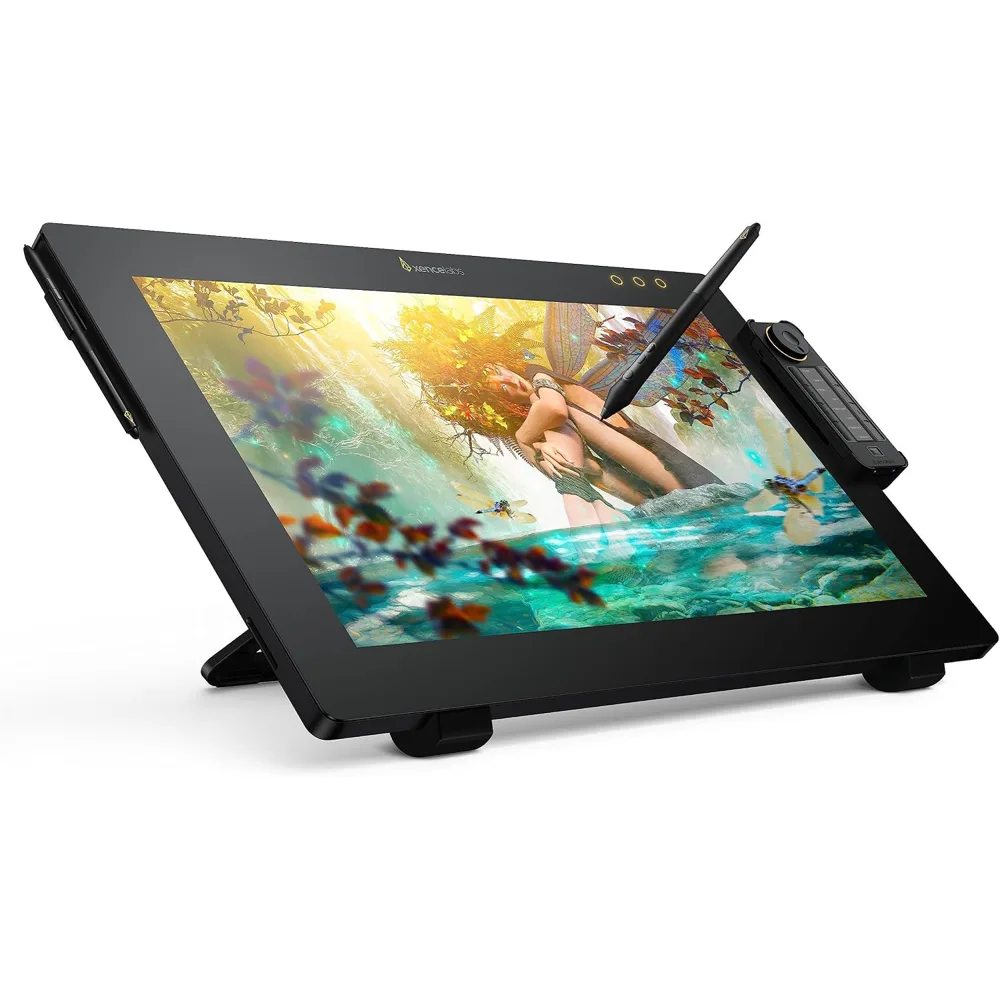
The large studio pick. A 24 inch 4K screen fits the canvas, timeline, exposure sheet and tool panels at once, which is how full-time Toon Boom and TVPaint animators like to work.
Xencelabs includes two pens of different thickness and a Quick Keys remote, and the screen covers 99% Adobe RGB for colour work.
Pros
- Room for every animation panel on one screen
- Two pens and a shortcut remote included
- Wide colour coverage for final colour work
Cons
- Needs a lot of desk space and an arm or stand
- Pricey, and overkill for students
Apple iPad Pro 13 inch (M5) Review
- Type
- Standalone tablet
- Screen
- 13 in OLED, 120Hz
- Pen
- Apple Pencil Pro (sold separately)
- Apps
- Procreate Dreams, Callipeg, Rough Animator
- Released
- 2025
The best tablet for animating without a computer. The 120Hz OLED screen and Apple Pencil Pro make it the smoothest standalone drawing experience, and iPad animation apps such as Procreate Dreams, Callipeg and Rough Animator are genuinely capable.
It cannot run desktop Toon Boom Harmony or TVPaint, so if you work in a studio pipeline it is a sketchbook and portable animator, not a replacement for a pen display.
Pros
- Fully portable, no computer needed
- Smooth 120Hz OLED screen
- Strong iPad animation app choice
Cons
- Apple Pencil Pro costs extra
- No desktop animation software
- Most expensive way to start
Wacom MovinkPad 11 Review
- Type
- Standalone Android tablet
- Screen
- 11.45 in, etched glass
- Pen
- Pro Pen 3 slim, included
- Apps
- Clip Studio Paint (2 years), Wacom Canvas
- Released
- 2025
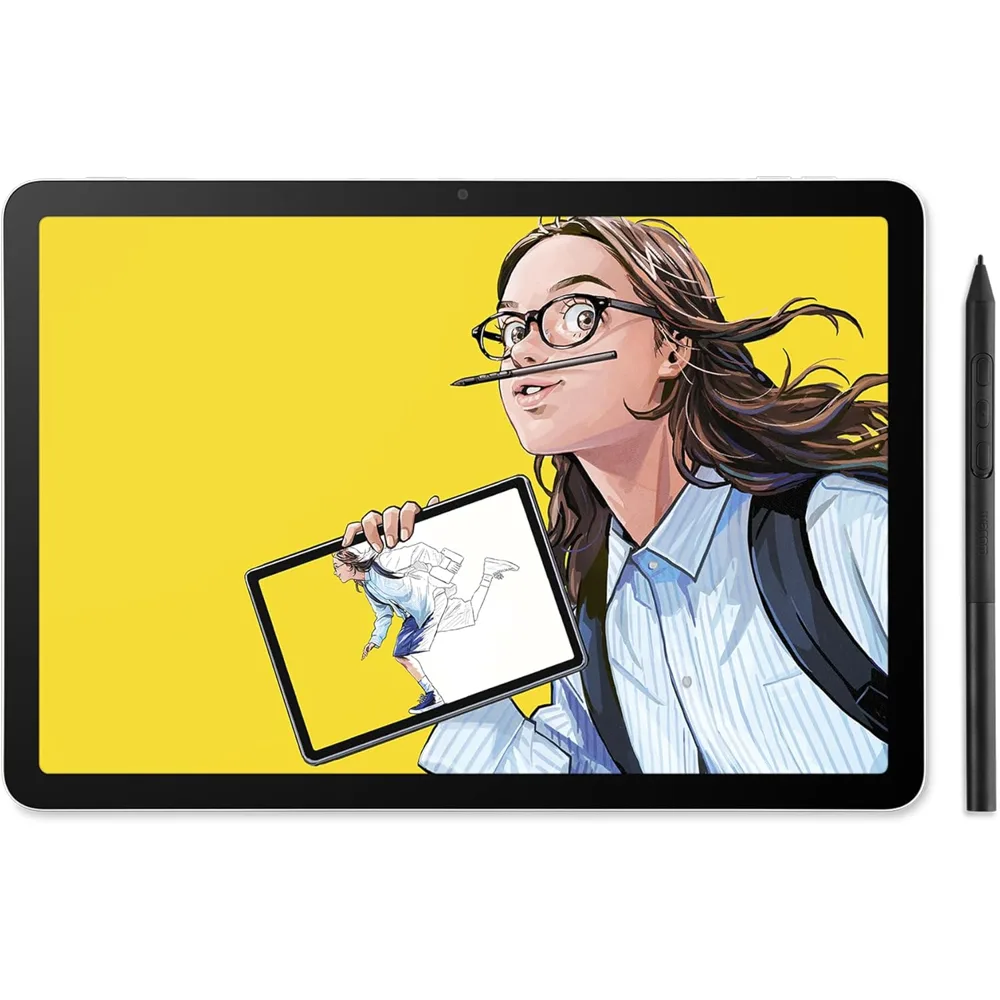
The budget standalone pick. It is an Android 14 tablet built for drawing, with the pen included and two years of Clip Studio Paint, which has a frame-by-frame animation timeline.
It is a sensible first device for a student who wants to animate on the couch or in class, but the 11 inch screen and 8GB of memory limit long scenes.
Pros
- Pen included, no battery to charge
- Paper-like etched screen
- Much cheaper than an iPad Pro
Cons
- Small screen for timelines
- Fewer animation apps than iPad
Best Adjustable Tablet Stands Reviews
Although we have reviewed the best tablets for drawing and animation, it is essential to also consider ergonomics and that’s why we have included a tablet stand review.
Lamicall iPad Stand Review
The Lamicall iPad Stand is a very sturdy, and fully adjustable stand. We found it best utilized with the iPad Pro 11” or 12.9”, although it can be used with other similarly-sized drawing tablets. It’s ideal for drawing at an angle rather than flat on a desk, but you can also use it to watch videos, images, and movies on devices that have that ability.
While the stand is adjustable and can be used horizontally or vertically, we found that it wasn’t as balanced vertically when holding drawing tablets larger than 12 inches.
AmazonBasics Adjustable Tablet Stand Review
The AmazonBasics Tablet Stand is a simple, yet effective tablet stand that can fold up and fit into any bag, and then unfold to hold your iPad, tablet, or Kindle. Its simple design and sturdy materials ensure it’s long-lasting and it was a favorite travel buddy of ours.
The stand can easily and effectively hold any tablet, with or without a sleeve or case, in a vertical or horizontal position. Compared to the Lamicall iPad stand, it was balanced horizontally or vertically thanks to the non-skid base.
UGEE Portable Stand Review
The UGEE Portable Stand is the perfect purchase if you’re purely after a horizontal stand that will hold a drawing tablet as sturdy as possible. While we loved the anti-slip base, we also appreciated the anti-slip support found on the stand itself.
This allowed us to place the graphics tablet on the stand without any worries that it may fall off or disrupt the drawing experience. It comes in medium for a smaller device and large for a larger tablet.
Best Animation Tablet Buyers Guide
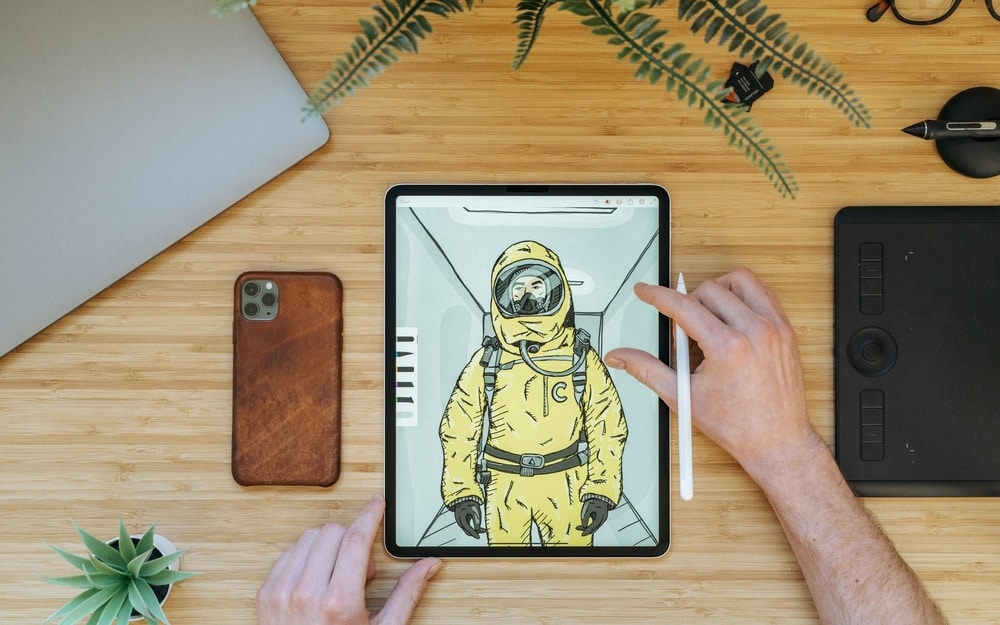
When purchasing a drawing tablet, there are a number of aspects to take into consideration. Namely, its functionality, and like always, its price. There are a number of other considerations, but the price-to-functionality ratio is usually the most important.
Size
First off, the size. The size of the animating tablet actually refers more to its functionality, and not so much how easy it is to carry, store, or the weight of it. The size of the tablet will determine its input capabilities, and whether or not it has a built-in screen.
Most smaller tablets require you to plug them into a screen, whether it be a budget monitor, TV, or laptop screen. The tablet itself acts more like a writing pad, with your work being displayed on the screen.
The bigger tablets most often come with a built-in screen, allowing you to use it as the input surface, as well as the display. These tablets are almost always more expensive, but they do have a lot more functionality.
Pressure Sensitivity
Pressure sensitivity refers to how much information is exchanged between the pressure of your pen or input, and the tablet itself. In simple terms, a tablet with pressure levels of 1024, will have less variation of input compared to a tablet with pressure levels of 8192.
For example, a tablet with pressure levels of 1024 will only produce a few line thicknesses, whereas a tablet with pressure levels of 8192 will give you many more line thickness options. It really just depends on how detailed you need your work to be.
Controls
The control capabilities of a tablet are mainly for personal preference and work speed. Some tablets have buttons on them that you can customize to improve your workflow and shortcuts. Some tablet pens also have buttons, once again, to improve your workflow.
These buttons are almost always customizable, allowing you to add any shortcuts you may need. The higher-end tablets will also have these buttons on their pens, which adds another, more in-depth level of customization.
Budget
What you have, and are willing to spend will obviously make a difference in which tablet you are able to purchase. The budget does play a huge part in buying a tablet that has all the functionality you need.
The cheaper models often don’t come with a screen, and they also usually come with less functionality with regards to how customizable they are and how in-depth you can get with your art or animation.
The more expensive models will often come with their own built-in screen, are bigger, have a higher sensitivity level, and almost always will have more powerful functionality. These tablets are more for experts, as a beginner wouldn’t use all the tablet’s capabilities.
Capabilities
The capabilities and functionality of the tablet are completely up to you. It depends on what you are going to be using the animation tablet for and how often, or in-depth, you will want to get with your animation or art.
Once again, the more expensive animating tablets will clearly have more functionality and capabilities, but if you are a beginner in graphic art, then you will not need every function a tablet can offer, you just need enough to start your journey.
Conclusion on the Best Tablet for Drawing and Animation
If you want one answer: buy the Wacom Cintiq Pro 17. It is the best tablet for animation because it gives you enough screen for a canvas and a timeline and a 120Hz panel that keeps frame-by-frame work smooth.
- Animating mostly in 3D: Wacom Intuos Pro.
- 2D on a mid-range budget: XPPen Artist Pro 16 Gen 2.
- Just starting out: XPPen Deco 01 V3.
- No computer: iPad Pro 13 inch (M5), or the MovinkPad 11 on a budget.
Whichever you choose, check that your animation software supports it before you buy, and map next frame, previous frame and onion skin to the tablet keys on day one.